
Sleep should be the most natural part of our day, yet for many Pakistanis, it has become frustratingly difficult. Falling asleep feels like a battle, staying asleep is unpredictable, and waking up refreshed seems increasingly rare. Across Pakistan, students, professionals, and even otherwise healthy adults are quietly dealing with restless nights and fatigue-filled mornings.
Lifestyle changes are a major contributor to this growing issue. Late-night screen usage, academic pressure, demanding work schedules, irregular routines, and stress-heavy days are disrupting the body’s internal clock. Over time, poor sleep begins to affect not just energy levels but also mood, concentration, productivity, and long-term wellbeing. Many people attempt to compensate with caffeine or stimulants, which often worsens the cycle rather than fixing it.
What Does Magnesium Have to Do With Sleep?
Magnesium plays a surprisingly critical role in how well we sleep. This essential mineral supports hundreds of physiological processes, many of which regulate the nervous system. When magnesium levels are insufficient, the body may struggle to relax properly, leading to restlessness, muscle tension, and difficulty winding down at night.
In Pakistan, where dietary patterns may vary widely, magnesium intake is not always optimal. Processed foods, inconsistent meals, and nutrient gaps can quietly contribute to symptoms like fatigue, irritability, sleep disturbances, and increased stress sensitivity. Because magnesium is directly involved in calming the nervous system, its deficiency often shows up as poor sleep quality.
Why Is Magnesium Glycinate Getting Attention?
Not all magnesium supplements behave the same way. Magnesium Glycinate is widely preferred for relaxation and sleep support because it is bound with glycine, an amino acid known for its calming effects. This form is recognized for its high absorption and gentle impact on digestion, making it suitable for long-term use.
Unlike harsher magnesium forms that may cause digestive discomfort, magnesium glycinate is typically well tolerated. More importantly, it supports a state of relaxation rather than sedation. This distinction matters because the goal is not to force sleep but to help the body naturally transition into rest.
Can Magnesium Glycinate Actually Improve Sleep Quality?
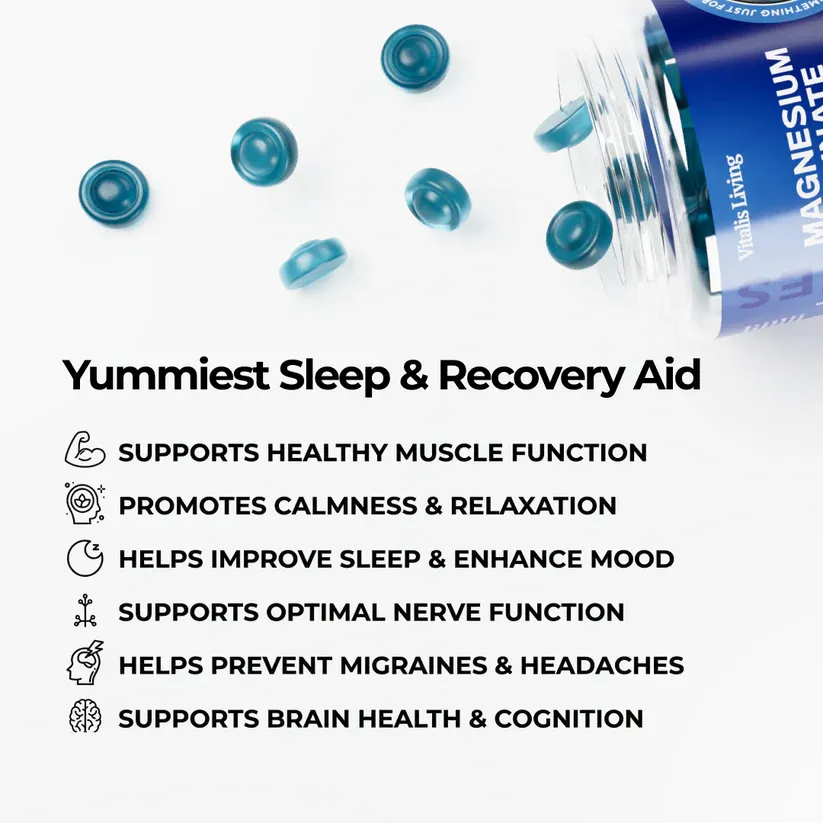
Many individuals exploring magnesium glycinate report noticeable improvements in their ability to unwind before bedtime. The racing thoughts that keep people awake may gradually settle, while physical tension and muscle tightness often decrease. Sleep may feel deeper, more restorative, and less interrupted.
Because magnesium also supports the regulation of stress hormones and neurotransmitters, its benefits frequently extend beyond sleep. Improved relaxation often leads to better mood stability, reduced irritability, and enhanced mental clarity during the day. Over time, this creates a healthier sleep–stress balance.
What About Stress and Anxiety?
Stress remains one of the most common sleep disruptors in Pakistan. Fast-paced routines, financial concerns, academic competition, and digital overload continuously stimulate the nervous system. Magnesium glycinate may help support the body’s response to stress by promoting calmness and reducing physical tension.
When the nervous system is less reactive, falling asleep becomes easier and sleep quality improves. Instead of feeling mentally wired yet physically exhausted, individuals may experience smoother transitions into rest and better overnight recovery.
Can Magnesium Glycinate Help With Muscle Tension and Migraines?
Magnesium’s role in muscle relaxation makes it particularly interesting for individuals dealing with tension, cramps, or discomfort. Muscle tightness, especially in the neck and shoulders, often contributes to headaches and sleep disturbances. Magnesium glycinate may help relax muscles and support nerve function, reducing this strain.
Additionally, magnesium deficiency has been associated with migraines in some cases. By supporting vascular and neurological function, magnesium glycinate may help decrease migraine frequency or intensity for certain individuals. For Pakistanis experiencing stress-related headaches, this benefit becomes especially relevant.
Why Are Gummies Becoming So Popular in Pakistan?
Convenience strongly influences supplement consistency. Many people struggle with swallowing capsules or maintaining pill routines. Gummies offer a more approachable alternative, turning supplementation into an easier and often more enjoyable habit.
Magnesium Glycinate gummies are particularly appealing because they combine effectiveness with user-friendly consumption. This format reduces resistance to daily intake, which is crucial since magnesium benefits build gradually through regular use.
What Should Pakistani Buyers Look For in a Magnesium Supplement?
Quality should always guide supplement selection. The form of magnesium, ingredient transparency, dosage accuracy, and brand credibility all influence effectiveness. Choosing magnesium glycinate specifically for sleep and relaxation support is often recommended due to its absorption and tolerability profile.
Trusted wellness brands like Vitalis Living offer Magnesium Glycinate Gummies formulated for relaxation, stress support, muscle recovery, and sleep balance. Evaluating reputable sources helps ensure both safety and expected benefits.
How Long Before Results Are Noticeable?
Magnesium glycinate is not an instant solution, and expectations should remain realistic. Some individuals begin noticing subtle relaxation effects within one to two weeks, while more noticeable improvements in sleep quality may appear after several weeks of consistent use. The body requires time to restore mineral balance and nervous system regulation.
Lifestyle alignment also matters. Better sleep hygiene, reduced late-night stimulation, and stress management significantly enhance the benefits of magnesium supplementation.
Final Thoughts
Sleep difficulties are no longer isolated complaints in Pakistan — they are becoming a widespread wellness concern. While many factors contribute to disrupted sleep, nutritional support is often overlooked. Magnesium Glycinate offers a gentle, science-backed option for individuals seeking natural support for relaxation, sleep quality, and nervous system balance.
Because improving sleep doesn’t just change your nights.
It transforms your days — your energy, mood, focus, and overall performance.